



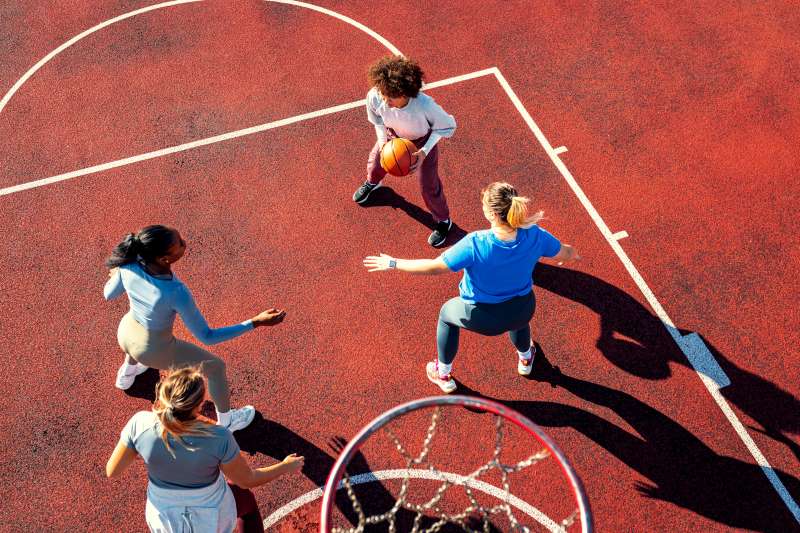
The biggest reason gym memberships get abandoned by February is boredom, not laziness. Recreational sports solve that problem by design. Nobody dreads showing up for a weekend football game the way they dread a treadmill session.
When fitness is wrapped inside something fun and social, consistency stops being a fight of willpower. The best fitness routine isn’t the most optimized one on paper. It’s the one you’ll actually still be doing eighteen months from now.
Pick A Sport That Matches Your Life
Badminton and table tennis fit into small time windows with low impact demands. Football and basketball ask for more time and more impact on your joints. Swimming and cycling suit people managing existing joint issues.
Match the sport to your schedule, your body, and honestly, to whatever you won’t talk yourself out of on a tired Tuesday. Forcing yourself into a high-intensity team sport when your real preference is a solo activity like cycling usually ends with quitting within a month.
Weekend Leagues Solve The Consistency Problem
A standing weekend game with the same group of people creates social accountability that a solo gym session never will. Skipping the gym disappoints only you. Skipping a five-a-side match with friends who are waiting on you is a different kind of pressure.
Look for local recreational leagues rather than trying to organize games yourself every week. Structured leagues with fixed schedules remove the friction of coordinating a group, which is usually what kills casual sport habits within a few weeks.
A Full Fitness Package Without Realizing It
A typical recreational game covers cardiovascular work through running and changes of pace, strength through jumping and pushing off, balance and coordination through quick direction changes, and even some core stability just from staying upright under contact.
A single hour of active team sport often matches the total physical output of a structured one-hour gym session, minus the boredom. Laughing with teammates, sharing the frustration of a missed shot, does something for your stress levels a set of dumbbell curls simply can’t.
Making It Sustainable Long Term
Rotate sports seasonally if your body starts feeling one repetitive motion too much. Add one or two light strength sessions a week to support the joints your sport stresses most, knees for running sports, shoulders for throwing and racquet sports. Treat missed weeks kindly. Recreational fitness works over years, not perfect streaks.
Why This Beats A New Year’s Resolution Gym Plan
Resolution-style fitness plans front-load intensity, five gym sessions a week starting January 1st, and collapse within a month because the routine leaves no room for real life. Recreational sport rarely fails the same way, because it’s anchored to a fixed social commitment rather than pure willpower. It also scales naturally with your fitness level. As you get fitter, you instinctively play harder and cover more ground, without consciously increasing a set number or a rep count.
Frequently Asked Questions
Can recreational sports alone keep you fit without a gym?
For general fitness and cardiovascular health, yes. Adding one or two light strength sessions a week helps protect joints and build muscle that play alone doesn’t fully cover.
What is the best recreational sport for beginners?
Badminton, table tennis, or swimming are gentle starting points with low injury risk and a short learning curve.