



The FIFA World Cup has produced unforgettable goals, legendary players and historic triumphs—but it has also been marked by moments of controversy that sparked global debate. From disputed refereeing decisions and infamous handballs to shocking fouls and political protests, these incidents have become part of football folklore.
Here are some of the most controversial moments in World Cup history.
1. Diego Maradona’s ‘Hand of God’ (1986)
Perhaps the most famous controversy in football history occurred during the 1986 World Cup quarter-final between Argentina and England.
Argentina captain Diego Maradona punched the ball into the net with his left hand, but the goal was allowed because officials failed to spot the infringement. Maradona later described it as “a little with the head of Maradona and a little with the hand of God.”
Just minutes later, he scored the iconic “Goal of the Century,” leading Argentina to a 2-1 victory.
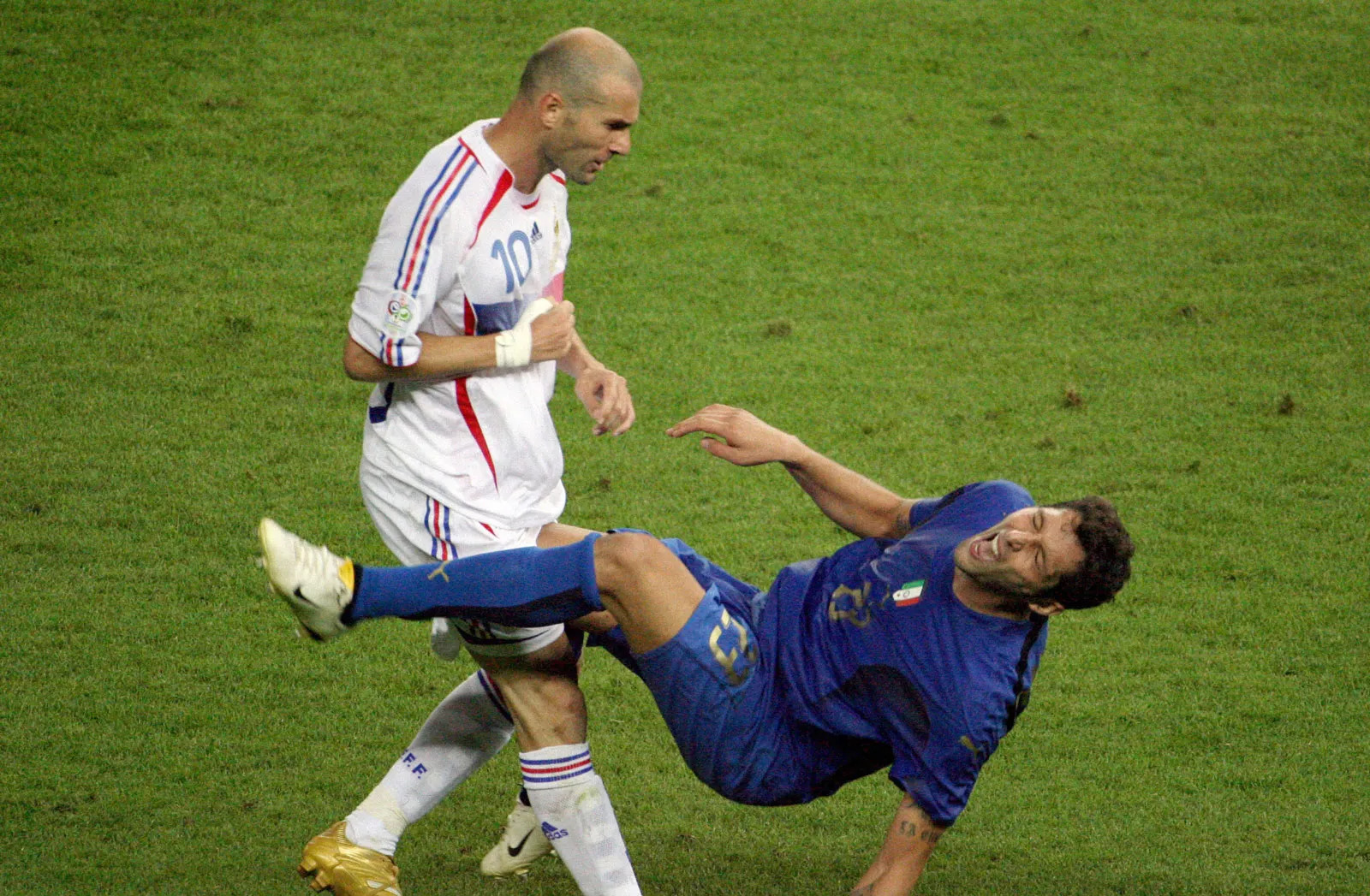
2. Zinedine Zidane’s Headbutt (2006)
The 2006 World Cup final between France and Italy took a dramatic turn when French captain Zinedine Zidane headbutted Italy defender Marco Materazzi in extra time.
Zidane was shown a red card in the final match of his career after video evidence alerted the referee to the incident. Italy went on to win the World Cup on penalties.
3. Frank Lampard’s ‘Ghost Goal’ (2010)
England were denied a clear goal during their Round of 16 match against Germany at the 2010 World Cup.
Frank Lampard’s powerful shot struck the crossbar and bounced well over the goal line before spinning back into play, but the referee allowed play to continue.
The incident accelerated calls for goal-line technology, which FIFA officially introduced at the 2014 World Cup.
4. Luis Suárez’s Goal-Line Handball (2010)
Uruguay striker Luis Suárez deliberately handled the ball on the goal line during extra time against Ghana in the quarter-finals.
He received a red card, but Ghana missed the resulting penalty before Uruguay won the shootout.
Many condemned Suárez’s actions as unsporting, while others argued he simply accepted the punishment allowed under the rules.
5. South Korea’s Officiating Controversies (2002)
Co-hosts South Korea reached the semi-finals of the 2002 World Cup, but their victories over Italy and Spain remain among the tournament’s most debated matches.
Several refereeing decisions—including disallowed goals, controversial fouls and red cards—triggered accusations of poor officiating that continue to be discussed decades later.
6. Thierry Henry’s Handball (2009 Qualifier)
Although it occurred during a World Cup qualifying play-off rather than the tournament itself, the incident had enormous consequences.
France’s Thierry Henry handled the ball before setting up the decisive goal against Ireland, sending France to the 2010 World Cup.
The referee missed the handball, leading to widespread criticism and renewed calls for video technology.
7. Rivaldo’s ‘Ball to the Face’ Drama (2002)
Brazil forward Rivaldo became the centre of controversy after Turkey’s Hakan Ünsal kicked the ball toward him.
Although the ball struck Rivaldo on the leg, he grabbed his face and fell dramatically, resulting in Ünsal receiving a red card.
Rivaldo later admitted exaggerating the incident and was fined by FIFA.
8. The Battle of Nuremberg (2006)
The Round of 16 clash between Portugal and the Netherlands became one of the most ill-tempered matches in World Cup history.
Russian referee Valentin Ivanov issued 16 yellow cards and four red cards, setting a World Cup record for the most cards shown in a single match.
The fiery encounter became known worldwide as the “Battle of Nuremberg.”
9. The Disallowed Goal in the 1966 Final
England defeated West Germany 4-2 after extra time to win their only World Cup.
However, Geoff Hurst’s second goal remains one of football’s greatest controversies. The ball struck the crossbar, bounced near the goal line and was awarded after consultation with the assistant referee.
Debate continues over whether the ball fully crossed the line.
10. The ‘Disgrace of Gijón’ (1982)
West Germany and Austria played out a controversial 1-0 result that ensured both teams progressed to the next round while eliminating Algeria.
After Germany scored early, both teams largely stopped attacking, prompting accusations that they deliberately played out the remainder of the match.
The backlash was so severe that FIFA changed its rules, requiring the final group-stage matches to be played simultaneously.
How These Moments Changed Football
Many of these controversies led to significant changes in the sport, including:
- Introduction of goal-line technology
- Adoption of the Video Assistant Referee (VAR)
- Stricter disciplinary rules
- Simultaneous scheduling of final group-stage matches
- Increased scrutiny of refereeing standards
Football’s Most Debated Legacy
While World Cups are remembered for spectacular goals and unforgettable champions, controversial moments have also shaped football’s history. They have influenced the rules of the game, transformed refereeing technology and sparked debates that continue long after the final whistle.
From Maradona’s “Hand of God” to Zidane’s headbutt and Lampard’s disallowed goal, these incidents remain some of the most talked-about chapters in FIFA World Cup history.