



A strong core for an athlete has almost nothing to do with visible abs. It’s about transferring force between your lower body and upper body without leaking energy in between. Every throw, swing, sprint, and change of direction runs through your core. Untrain that job and power leaks out while injury risk climbs, especially in the lower back.
Crunches train one thing, spinal flexion, which barely shows up in sport. The exercises below train what athletes actually use: bracing under load, resisting rotation, and creating rotation on demand.
Anti-Rotation: The Pallof Press
Stand sideways to a cable machine or resistance band anchored at chest height. Press the handle straight out from your chest and hold, resisting the pull that wants to twist your torso toward the anchor.
This is the single best exercise for teaching your core to resist unwanted rotation, exactly what happens when you take a hit, land awkwardly, or get pulled off balance mid-play. Do 3 sets of 10 to 12 second holds per side, twice a week.
Rotational Power: Medicine Ball Rotational Throw
Stand side-on to a wall with a medicine ball at hip height. Rotate your hips and torso together, then throw the ball hard into the wall, catch the rebound, and reset. This trains the explosive rotational power behind a golf swing, a tennis serve, a cricket shot, or a punch.
Three sets of 6 to 8 explosive throws per side is plenty. Quality beats volume here. Fatigue kills the explosive intent this drill depends on.
Anti-Extension: Dead Bug
Lie on your back, arms up, knees bent at 90 degrees. Slowly lower one arm and the opposite leg toward the floor while keeping your lower back pressed flat against the ground.
This teaches your core to resist your spine arching under load, a pattern that shows up constantly in sprinting and overhead sports. Three sets of 8 slow reps per side. Speed defeats the point of this one.
Anti-Flexion And Endurance: Plank Variations
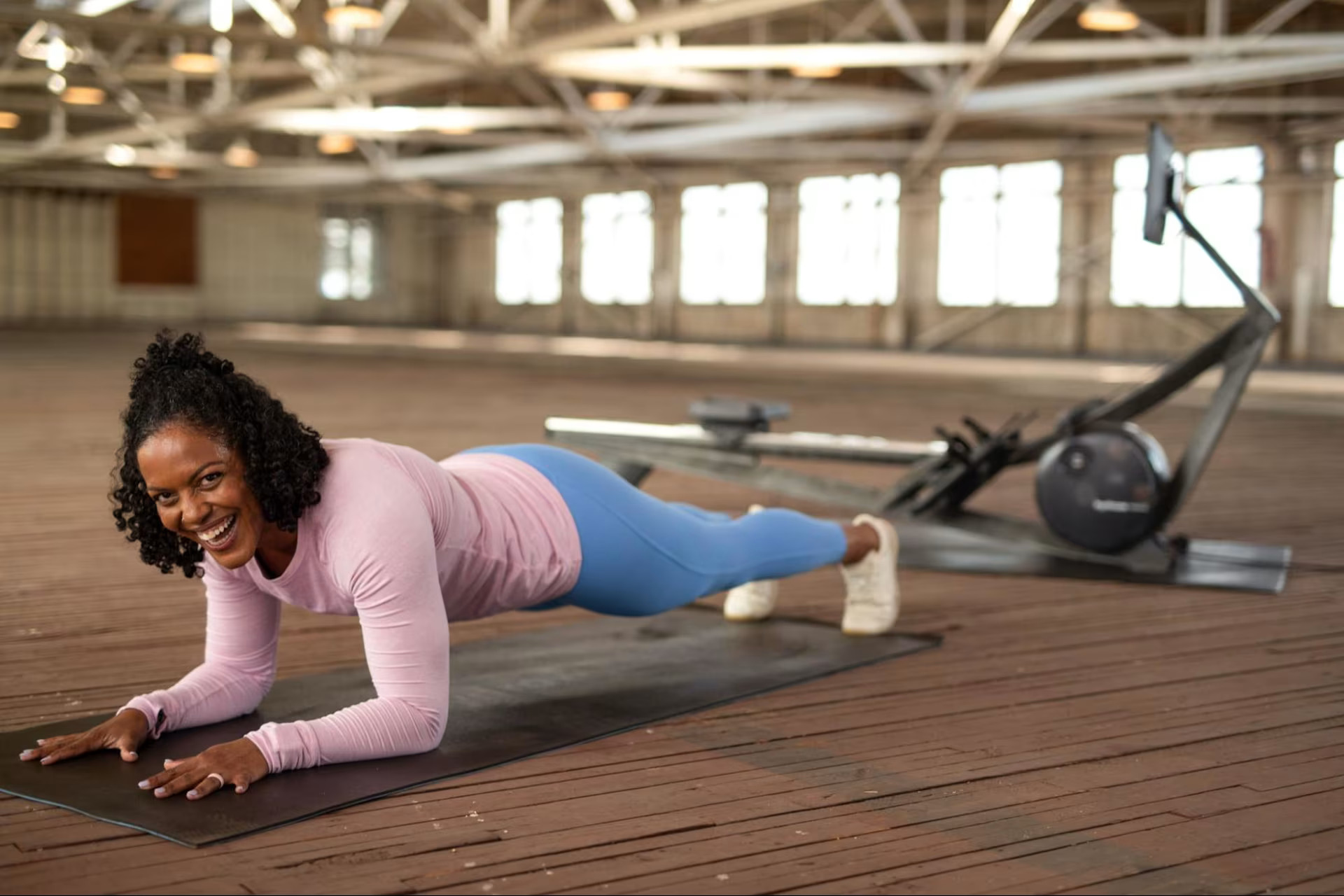
The plank still earns its place, but static holds alone plateau fast. Progress to shoulder taps, plank walkouts, or a plank with light weight on your back for instability. These variations force your core to keep bracing while your limbs move, much closer to what sport actually demands than holding perfectly still. Aim for 30 to 45 second sets with movement rather than chasing longer static holds.
Putting It Into A Weekly Session
You don’t need all five exercises every day. One 20 minute session twice a week, three sets of each with short rest between, covers the ground for most athletes. Pair anti-rotation work like the Pallof press with rotational power work like the medicine ball throw on one day, and anti-extension work with plank variations on the other. Progress by adding difficulty before adding volume, and always finish core work after your main lifts or sprint work, not before. A fatigued core going into heavy squats is a common, avoidable source of injury.
Frequently Asked Questions
How often should athletes train their core?
Two to three focused sessions a week is enough, since the core also gets significant work during sport itself.
Are crunches useless for athletes?
Not useless, just low priority. Anti-rotation, rotational power, and anti-extension exercises carry over to sport performance far more directly.